

The match is in the 67th minute. A red card just changed everything. The odds on the next goal shifted in 40 seconds. You have 90 seconds to act before they shift again.
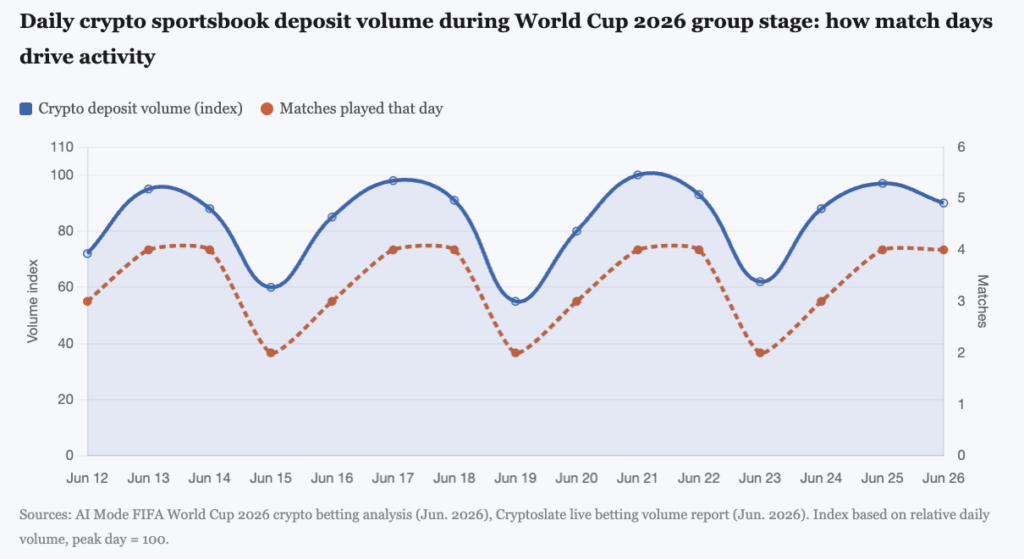
That scenario plays out dozens of times across a World Cup group stage, and it is exactly the moment where the payment method you chose at the start of the tournament either works for you or against you. A traditional sportsbook with funds sitting in a bank processing queue cannot help you in that 90-second window. The money is not available. A crypto wallet with USDT already loaded and a sportsbook account funded before kick-off can. The deposit clears on the blockchain in under two minutes, the bet is placed, and either you were right about what the red card changed, or you were not. The payment did not get in the way of the decision. That is what frictionless actually means in the context of live sports betting. It is the reason why global bets for the 2026 FIFA World Cup are expected to surpass $50 billion through crypto platforms alone, with active bettors increasingly choosing Bitcoin and stablecoins over traditional payment rails that were simply not designed for the pace of a 104-match tournament.
Four specific ways frictionless transactions change how you bet on the World Cup
The first is the speed of settlement. Bitcoin settlements bypass the banking infrastructure that sits between a traditional sportsbook and your bank account. When you win money on an afternoon group stage match, that money can be back in your wallet and available to reinvest into an evening fixture on the same day. With a regulated fiat sportsbook in most markets, the same withdrawal goes through ACH processing or a check, which takes three to seven business days to clear. During a tournament where interesting matches happen every single day, three to seven business days is a long time for your winnings to be frozen in someone else’s system.
The second is the elimination of declined transactions. Every card deposit at a sports betting site carries MCC code 7995, which flags the transaction as gambling-related and causes somewhere between 20 and 40 percent of attempts to fail automatically, depending on the bank. Bitcoin transactions do not carry that code. The money moves from wallet to platform, and the bank is not part of the conversation. There is no fraud hold, no compliance review triggered by the gambling flag, and no call to customer service trying to explain why you want to deposit forty dollars to a legal sportsbook on a Saturday afternoon.
The third is borderless access. The 2026 World Cup is watched by people all over the world. But the betting market is not regulated. DraftKings and FanDuel only work in certain US states. European operators have their own geographic limits. If you are a fan in a country without a licensed sportsbook, you cannot use these platforms legally. However, you can use a Bitcoin sportsbook without any geographic restrictions built into its payment layer. This is the main reason so much of the money bet on the World Cup is going through crypto platforms rather than more traditional ones.
The fourth is simpler registration. Many crypto platforms let you connect a wallet and start betting with just an email address. You don’t have to upload any government ID, scan any utility bills, or wait 48 hours for a verification email. If you want to bet on a tournament but not commit to a long-term relationship with a sportsbook, this can make a big difference to how much effort you put in.
The risks that frictionless transactions do not remove
The truth is that betting on the World Cup with Bitcoin is risky in two specific ways that traditional gambling doesn’t have or deal with differently.
The first is what you might call dual-layer volatility. When you bet with dollars at a regulated sportsbook, the only thing that matters is whether your bet wins or loses. When you bet with Bitcoin, there is an extra thing to think about: the Bitcoin price can go up or down while your money is in your sportsbook account. If the value of Bitcoin goes down by 10% compared to the dollar while you have money on the platform, you might still end up with less buying power than you started with. The most common approach among active 2026 bettors is to use USDT or another dollar-pegged stablecoin for actual betting. This removes the price volatility while keeping all the benefits of crypto, including speed and accessibility. If you want to be exposed to the price, keep Bitcoin in a separate wallet. Use stablecoins for the tournament bankroll.
The second is the lack of rules to protect users on online platforms that are not based in the UK. A licensed, regulated sportsbook in a credible jurisdiction will have consumer protection requirements, dispute resolution processes, and liquidity rules. These give you recourse if something goes wrong. An offshore crypto platform without a proper licence won’t have any of those. If it freezes withdrawals or shuts down, you won’t be able to recover your digital assets, and there won’t be anyone you can complain to. There is a lot of money being bet on the 2026 World Cup, and many people are trying to scam others out of it. These scams include fake crypto sportsbooks that appear legitimate, phishing sites that mimic the URLs of real platforms, and fraudulent Telegram groups that promise insider odds information. You must check that the casino has a real gambling licence before you deposit any money. It is the best way to protect yourself.
For fans who want to bet on World Cup with Bitcoin responsibly, the combination that works best is a licensed crypto sportsbook, a stablecoin bankroll to avoid price volatility, and funds loaded before match days rather than during them. The frictionless part is real. So are the edges where that friction was actually doing something useful.

