
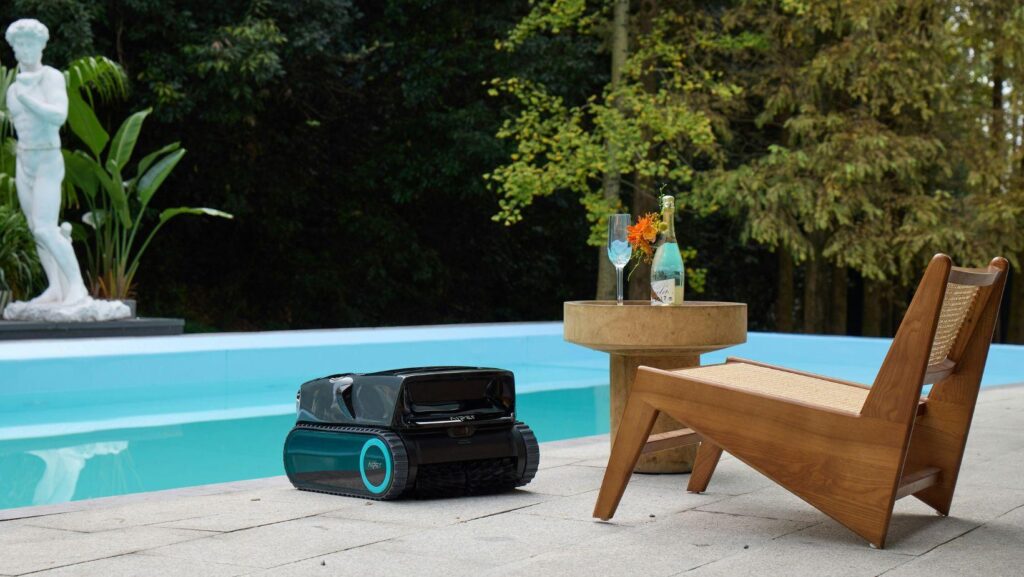
For years, smart home technology has made everyday life more convenient inside our homes. With a simple voice command or a tap on our phones, we can adjust the lights, change the temperature, and play our favorite music. Smart technology is also transforming outdoor spaces, bringing the same convenience to yard and garden maintenance. Smart tech isn’t just for the living room anymore. It’s expanding into our yards and gardens, promising to automate and simplify those chores we always put off.
This isn’t just about smart sprinklers and security cameras. We’re now seeing a connected outdoor environment where even power tools are becoming part of the smart ecosystem. Imagine your yard work schedule running on its own, freeing up your weekends for things you actually enjoy. These technologies are already becoming part of many modern homes.
Extending Smart Tech Beyond the Walls
Making our outdoors smarter is really just the next step for connected homes. We’ve already gotten used to automating tasks inside, so it makes perfect sense to do the same for yard maintenance. The goal is to reduce the time and effort required to keep your yard in good condition.
This trend began with simple devices you could set and forget. Think about sprinkler systems that adjust for the weather or landscape lights that turn on at sunset. These early automated outdoor smart home ideas paved the way for more advanced technology. Today, you can find everything from robotic lawn mowers quietly trimming your grass to sensors that tell you when your garden needs a drink.
Bringing power tools into this mix is the next logical step. While we don’t have robots for every task yet, we can use smart tech to create better routines, manage charging, and fold yard cleanup into our overall home automation plan. This creates a more connected experience across both indoor and outdoor spaces.
Automating Yard Cleanup Schedules
One of the biggest time-wasters in yard maintenance is cleanup, especially in the fall. Raking or blowing leaves by hand can feel like a never-ending fight against nature. Automation offers a smarter way to handle this chore, making yard maintenance easier to manage through scheduled routines.
Robotic lawnmowers are a great example of this. You can program them to mow your lawn on a schedule, so it always looks tidy without you ever having to push a mower. They work quietly and return to their charging station on their own, making them a practical hands-off solution for lawn maintenance. You can set schedules like “mow every Wednesday and Saturday at 10 a.m.” and the job just gets done.
While fully autonomous leaf-collecting robots aren’t quite ready for most homes, you can still create a “smarter” cleanup routine. For instance, smart weather apps can alert you after a windy night, reminding you it’s time for a quick cleanup. Using the right tool makes the task faster and less physically demanding. The best cordless leaf blower is light and powerful, letting you clear your patio or driveway in minutes after that notification. This semi-automated approach, which combines smart alerts with high-performance tools, bridges the gap between manual work and a fully robotic future.
Powering Your Smart Outdoor Ecosystem
Making your outdoor tools “smart” often comes down to one key thing: power. How you manage charging and electricity is what makes automation possible. Fortunately, you don’t need to replace all your old gear to get started. A few simple additions can add a surprising amount of intelligence to what you already have.
One simple way to get started is with an outdoor smart plug. These weatherproof devices plug into a standard outdoor outlet and let you control whatever is plugged into them using your phone. You can use them for:
When picking devices, look for the best smart plugs specifically made for outdoor use. This ensures they can handle rain, dust, and temperature changes. Beyond plugs, investing in a single battery system for your cordless tools is another “smart” move. When your leaf blower, string trimmer, and hedge trimmer all use the same interchangeable battery, you simplify charging and always have a fresh power source ready.
The Connected Home Experience
True smart home integration happens when your indoor and outdoor devices stop acting like separate systems and start talking to each other. The goal is to create one connected environment that responds to how you live. Your yard shouldn’t be a tech island; it should be an extension of your connected home.
This is where smart home hubs and voice assistants like Amazon Alexa, Google Assistant, and Apple HomeKit come in. These platforms act as the central brain, letting you create complex routines that cover your whole property. For example:
Setting up these interconnected systems can be a fun DIY project. But if you’re looking to build a more complex and reliable network, you might think about working with smart home automation specialists. They can help you pick the right devices and set them up to work together perfectly, creating a truly seamless connected experience from your front door to your back fence.
As more outdoor devices become connected, homeowners can automate routine maintenance with weather-based irrigation, battery monitoring, and scheduled outdoor equipment. Bringing these devices together on one platform simplifies property maintenance while reducing manual work.
Future Trends in Outdoor Automation
Developers are also exploring new technologies that improve outdoor automation and connected living. For example, augmented reality applications can help homeowners visualize landscaping projects and smart outdoor layouts before making changes, as explained in this guide on how to make an AR app.
At the same time, industry standards such as Matter are making it easier for devices from different manufacturers to work together within a single smart home ecosystem. This greater compatibility gives homeowners more flexibility when adding new products without worrying about brand limitations. As connected technology continues to improve, outdoor tools, lighting, irrigation systems, and monitoring devices will become easier to manage through one platform, creating a more efficient and convenient approach to home maintenance.

