

Let’s jump into the intriguing realm of photoacomapnha. This term might sound bizarre, but trust us, it’s more exciting than it seems. We all love snapping pictures, whether it’s at weddings, birthdays, or even our pets caught mid-yawn. But what if we told you there’s a whole artistic dance behind capturing those moments? Join us as we explore the history, significance, and future of photoacomapnha, where every shot tells a story.
Photoacomapnha
History and Origins
The roots of photoacomapnha trace back to ancient practices where capturing images on surfaces was more voodoo than visual art. Historically, civilizations have documented their lives through various forms of visual representation. From cave paintings to the advent of photography, each era has contributed to what we now recognize as photoacomapnha. Once reserved for professionals, this practice has evolved into a widespread phenomenon, allowing anyone with a camera to step into the role of an artist.
Cultural Significance
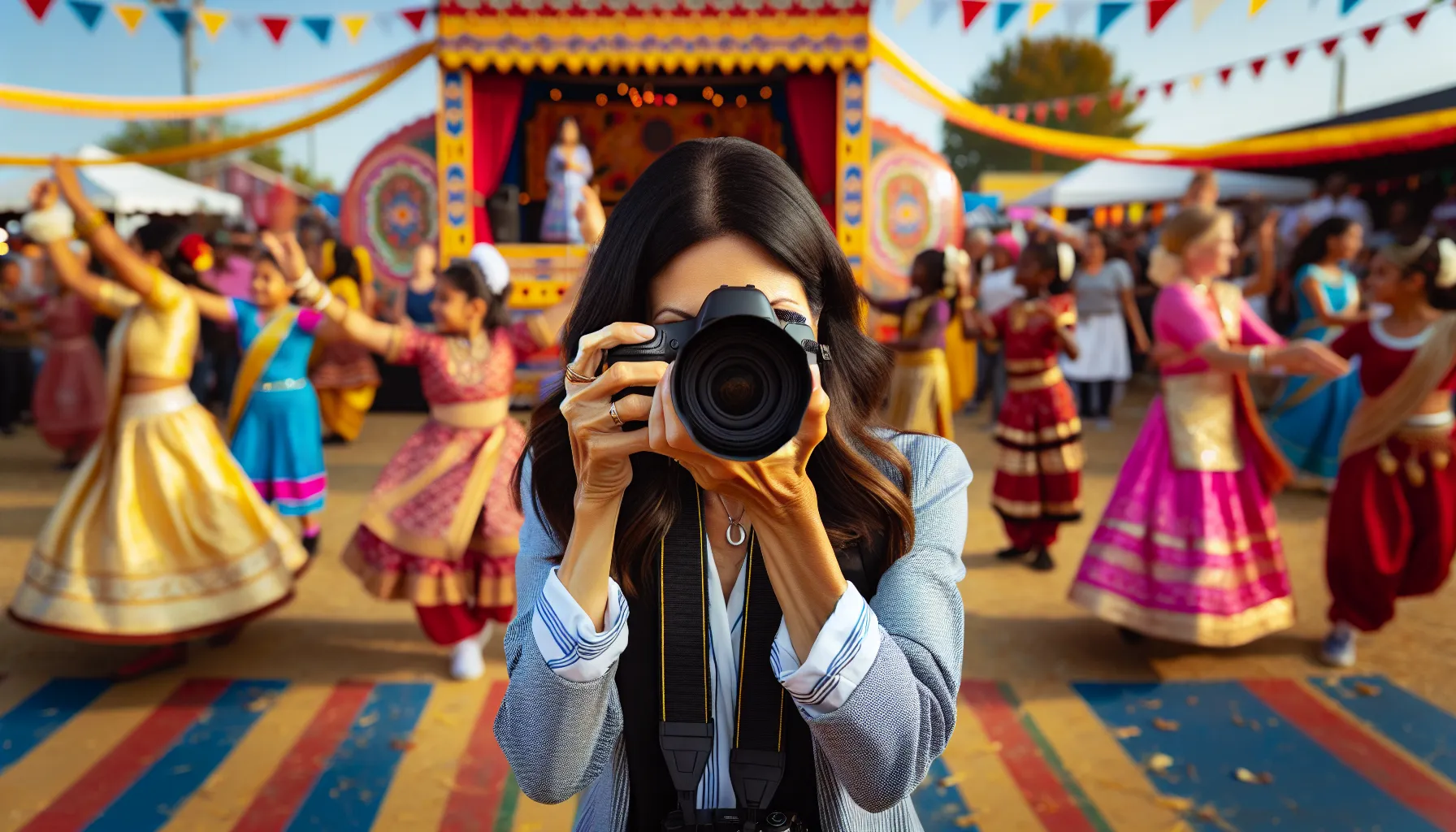
In different cultures, the act of capturing moments holds various meanings. For some, it’s a way to preserve memories tied to family and tradition, while for others, it acts as a storytelling medium, conveying messages through images. We see this cultural impact reflected in community events, festivals, and even everyday life, where photoacomapnha becomes a vehicle for social commentary and empowerment.
Key Characteristics of Photoacomapnha
Photoacomapnha has some distinct traits that set it apart from mere photography. Firstly, it’s all about capturing emotion: the aim is to convey a feeling, rather than just a subject. Secondly, the choice of light and composition plays a pivotal role. Unlike traditional photography, where the focus might be on perfecting the image, photoacomapnha often embraces imperfections to tell a more powerful story. Finally, the interplay of subject and background creates a dynamic visual narrative that draws viewers in, compelling them to linger over each frame.
Techniques Used in Photoacomapnha
Impact of Technology on Photoacomapnha
We can’t discuss techniques without mentioning how technology has reshaped photoacomapnha. Digital cameras, smartphones, and post-processing software have democratized this art form, allowing anyone to experiment and refine their skills. Filters, editing apps, and online sharing platforms have changed how we perceive and create images, making it easier than ever to share our artistic visions.
Modern Innovations
Emerging trends like drone photography and 360-degree images take photoacomapnha to new heights. These innovations push boundaries, offering unique perspectives and angles that redefined what a photo can be. Also, artificial intelligence is now helping us select the best shots, enhancing our creativity by taking some of the guesswork out of the editing process.
Challenges Facing Photoacomapnha Today
Even though its growth, photoacomapnha faces numerous challenges. One of the biggest issues is image saturation. With millions of photos shared daily, standing out becomes increasingly difficult. Also, there’s a paradox where the ease of taking pictures leads to a decline in skill development. Many skip foundational techniques, opting instead for instant gratification from quick edits and filters. Finally, the pressure of social media can skew our perception of success, leaving artists feeling unworthy or inadequate.
The Future of Photoacomapnha
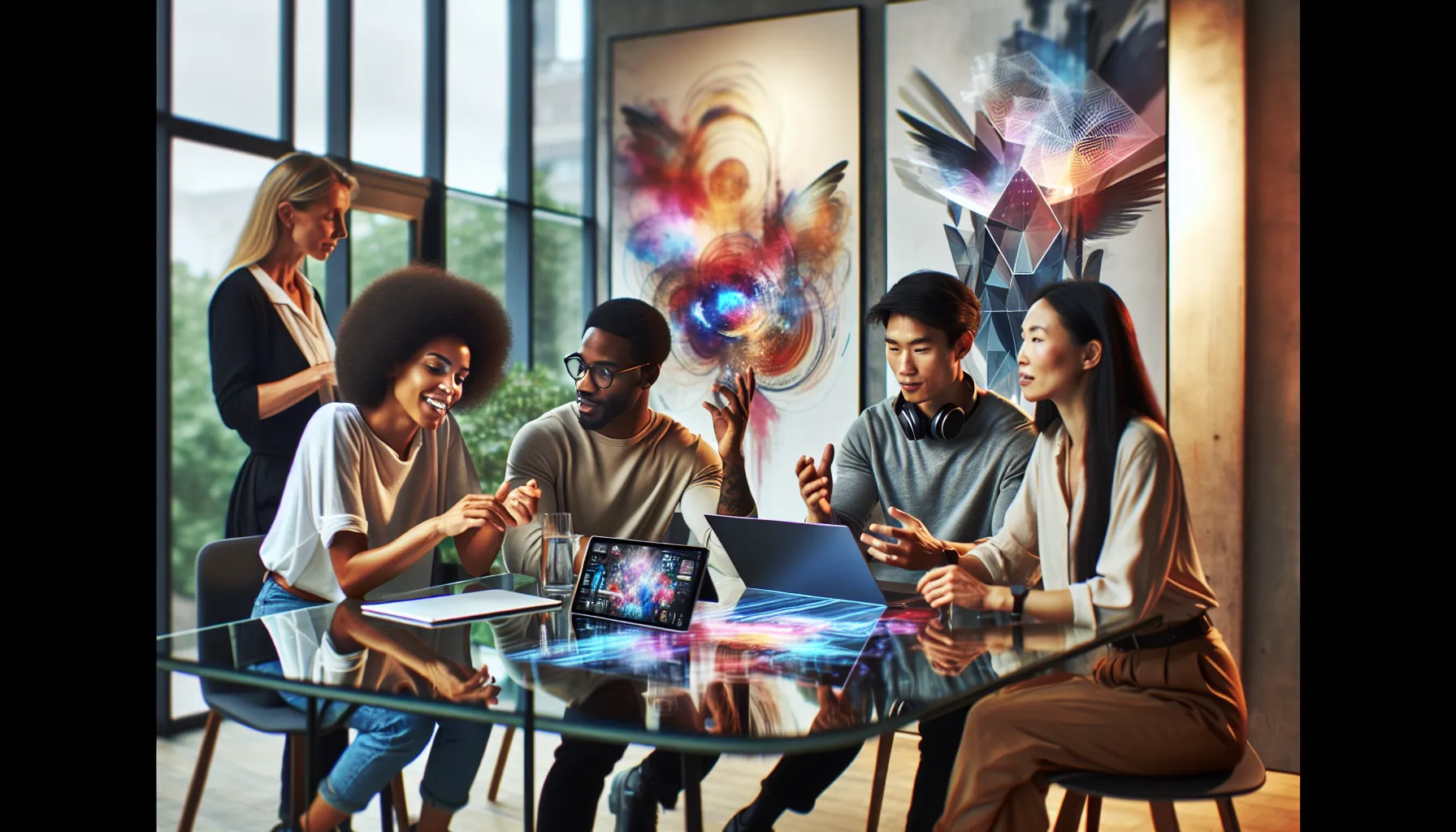
As we look ahead, the future of photoacomapnha appears vibrant and full of potential. New technologies will continue to emerge, giving us innovative tools to tell our stories. As artists begin to experiment with virtual and augmented reality, the traditional boundaries of photography may dissolve even further. Our community of creators will likely adapt and evolve, discovering new ways to connect with audiences and express emotions through visual storytelling. With partnerships forming across various platforms, we see a collaborative future where sharing techniques and inspiring each other can elevate the art form.

